

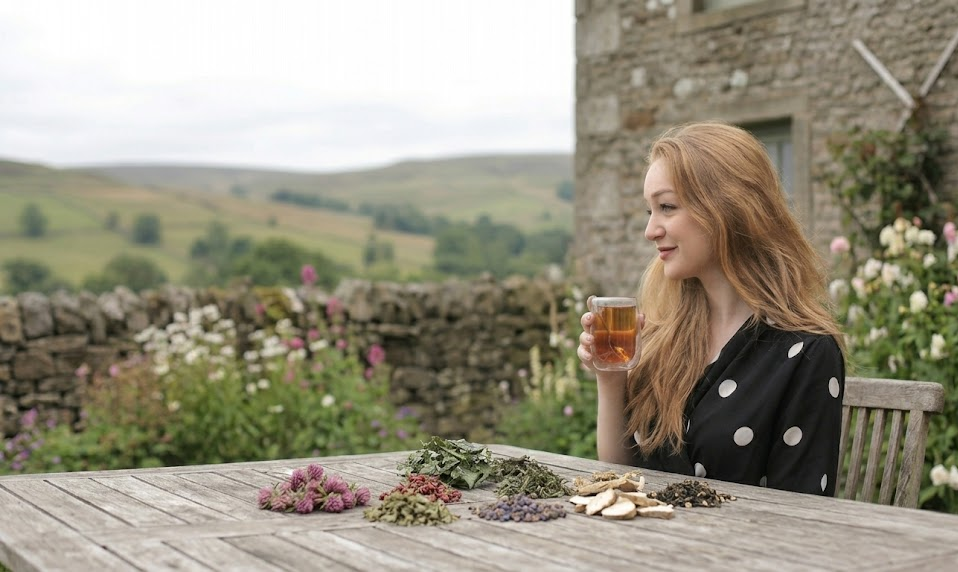
Long before modern medical consultations, couples turned to nature. Ancient traditions relied on herbs, roots, and dried flowers to create wellness brews passed down through generations.
About 1 in 7 couples in the UK face challenges in conceiving, affecting around 3.5 million people. According to specialists at Hull & East Riding Fertility (www.hulleastridingfertility.co.uk), fertility challenges can arise from several factors like diet, stress, exercise, making professional assessment an important step for anyone who has concerns about their reproductive health.
Yet many individuals still find comfort in exploring historical lifestyle practices and age-old traditions. Historical remedies shaped how cultures viewed conception and reproductive health. While science has progressed, the stories behind these traditional herbal brews remain deeply fascinating.
Herbal Teas Linked to Fertility Through History
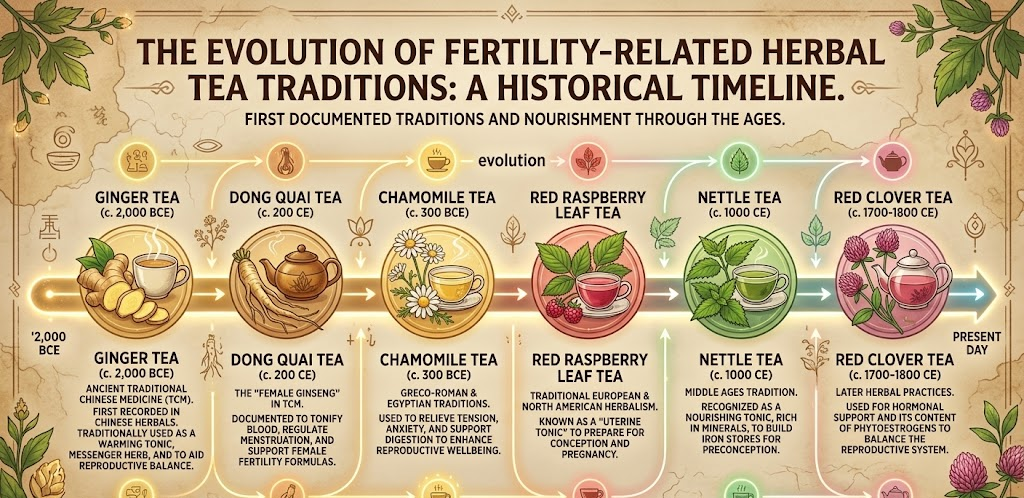
Here are the six herbal teas which are linked to fertility through history:
1. Red Raspberry Leaf Tea
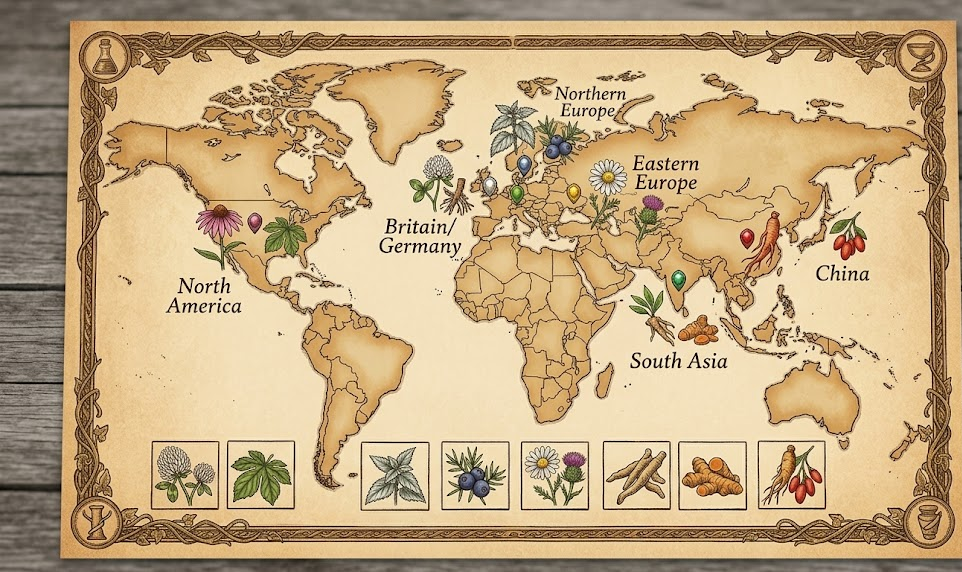
Red raspberry leaf tea has been used for a long time in Europe, especially in Britain and Germany. Herbalists in the 16th and 17th centuries recommended it to those who were preparing for pregnancy and during labour.
A 2024 COT report found that 24% of expectant mothers reported using raspberry leaf items during pregnancy. This underscores how deeply ingrained these old reproductive and uterine wellness practices remain in modern British culture.
The leaves were dried and made into a warm and slightly bitter tea. Midwives and local healers believed it helped strengthen the uterus and supported a healthy reproductive cycle.
Today, it remains one of the most talked-about herbal teas for women’s health, with a long history of use in European herbal medicine.
2. Nettle Tea
Nettle tea may not sound fancy, but it has an important history in Northern Europe and Celtic traditions. It is rich in minerals and was usually used as a healthy drink by women trying to become pregnant.
Folk healers in rural Britain and Scandinavia believed that nettle tea improves strength and vitality. They believed that a well-nourished body was better prepared to become pregnant and to go through pregnancy.
For a visual representation, explore this guide that demonstrates how to harvest and brew a traditional stinging nettle infusion:
Every sip of nettle tea carries a long history. It is practical, easy to find, and a key part of everyday herbal practices.
3. Red Clover Tea
Red clover has been important in Native American herbal traditions since before settlers from Europe arrived. Many indigenous communities used it to promote women’s health.
They brewed dried flowers into a mild, honey-scented tea. This tea was associated with reproductive health and also consumed at specific stages of the fertility cycle as part of seasonal wellness routines.
Later, European folk medicine adapted its use. In the 19th century, herbalists mentioned red clover in relation to hormonal balance and women’s health. However, these ideas were based on traditional practices.
4. Chamomile Tea
Chamomile tea has a long history as a herbal drink. Ancient Egyptians used it, and it spread through Greek and Roman medicine before becoming vital in Eastern European folk traditions.
In Poland, Hungary, and the Czech Republic, women brewed chamomile for fertility rituals during seasonal festivals. Its gentle, apple-like scent and golden colour made it a cosy and special drink.
People didn’t just drink chamomile tea for its taste. They included it in rituals, drinking at specific times or preparing it with care as part of a maternal wellness cycle.
5. Ginger Tea
Ginger has been important in Ayurvedic medicine in India for over three thousand years. Hot ginger tea was used to warm the body, improve circulation, and support digestive health. Ancient practitioners linked these benefits to readiness for reproduction.
The sharp, spicy warmth of ginger tea was thought to energise and balance the body. It was part of postpartum care and pre-conception routines. It served as a general tonic for women in South Asian traditions.
Today, people still drink ginger tea in India, Sri Lanka, and Bangladesh. However, it is now more often seen as a comforting drink for digestion rather than a remedy for fertility.
6. Dong Quai Tea
Dong quai, often called female ginseng, has been used in Traditional Chinese Medicine for more than 2,000 years. It is a part of herbal remedies that help regulate menstrual cycles and support reproductive health.
Trained practitioners prepare dong quai teas based on individual needs. When the root is dried and steeped, it makes a strong, earthy tea with a slightly bitter taste.
Tradition Meets Modern Understanding
All six of these teas have rich cultural histories. They come from societies that relied on observation, experience, and passed-down knowledge.
Nowadays, fertility medicine works differently. It uses evidence-based reviews, hormone tests, and clinical investigations to guide discussions about conception and reproductive health.
These traditional practices are still interesting. However, it’s crucial to understand that historical herbal use and modern medical care are different. Knowing this difference is valuable.
Conclusion
Throughout history, diverse cultures have relied on herbal teas to support fertility, long before the advent of modern medicine. Each of these six brews carries a unique heritage rooted in distinct global traditions.
Whether you are curious about their history or simply looking to enjoy a comforting cup, these teas offer a fascinating window into the rich global story of tea. For a perfect tea experience, contact us at Tea Tours now.

